
Check Out Our Reviews
DeelanV - Best in the business
Liam and his team are highly recommended. The level of service, punctuality and quality of work is excellent. Each job is completed in a timely manner with great attention to detail. I would recommend Pudding and Squish for any building, and decoration works.
What well-laid garden paving improves
Cleaner regular routes
Paving keeps busy paths more usable in wet weather and everyday traffic.
Design choices that change the feel
Pattern, edging and joint colour can alter scale and direction subtly.
A stable build underneath
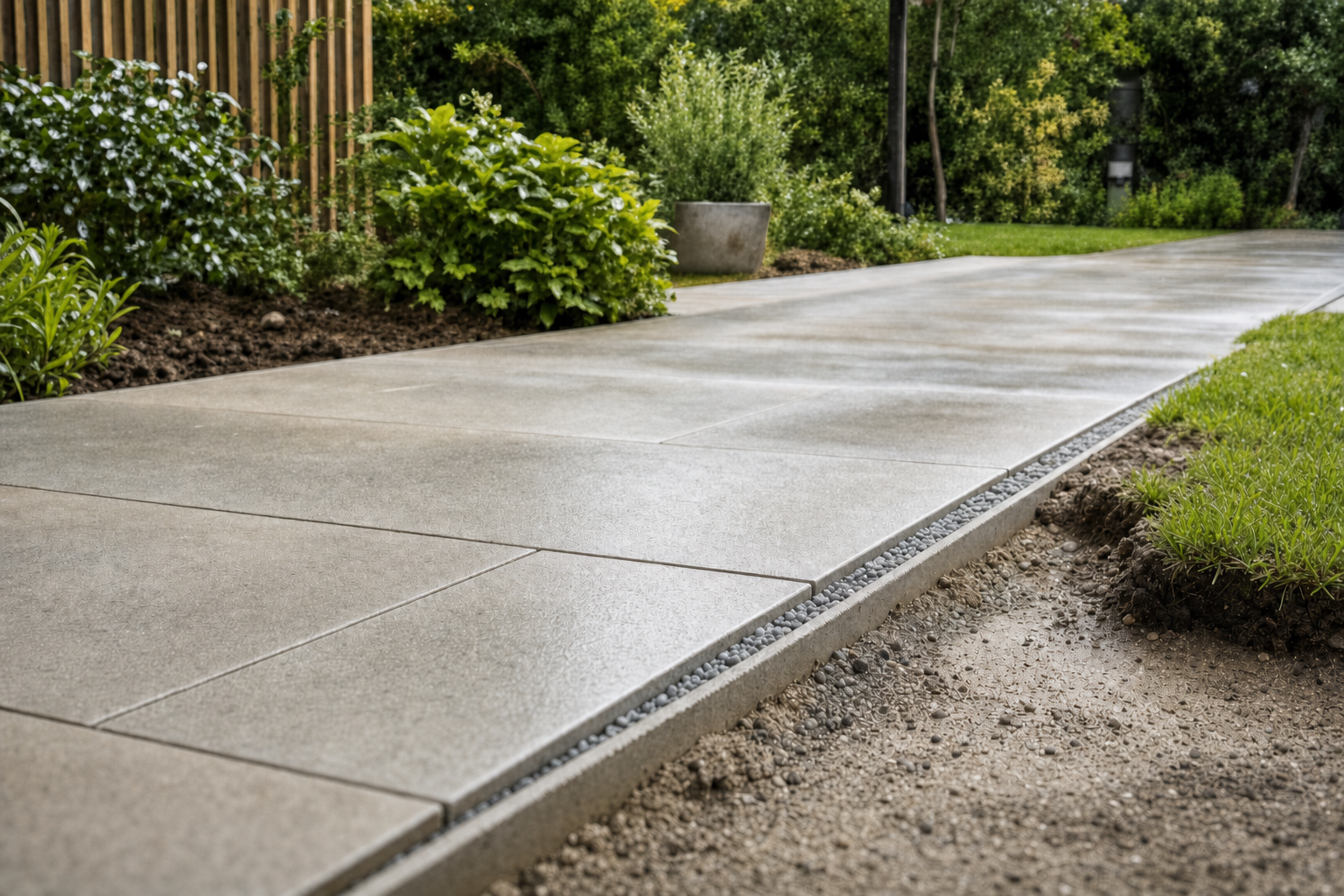
Base work, drainage and jointing help the surface stay dependable.
Keep the garden easier to move through
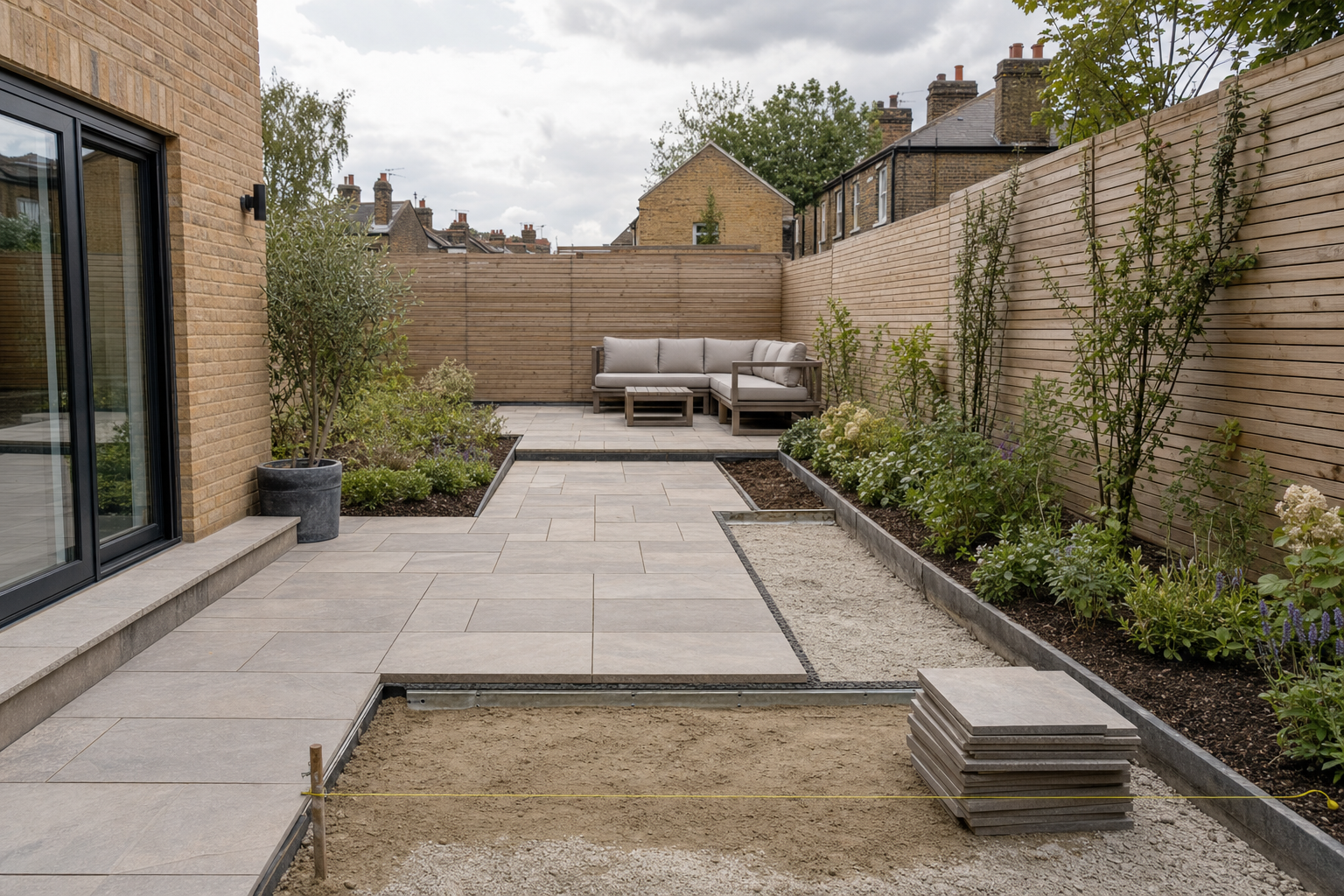
Garden paving is about more than laying a nice path from A to B. It helps connect doors, lawns, beds and outdoor features so the space feels easier to use in all kinds of weather. With Pudding & Squish Ltd., we focus on pedestrian routes, smaller seating areas and practical utility surfaces rather than vehicle-bearing driveways. Paver size, laying pattern, edging and joint colour all change how the route feels, including whether it looks wider, straighter or more settled into the garden. When the layout is right, the space becomes cleaner underfoot and less of a muddy obstacle course after a wet spell.
Built for weather and everyday foot traffic
Outdoor paving needs to cope with constant use and changing conditions, so the unseen work matters as much as the finish on top. A project with Pudding & Squish Ltd. includes sub-base preparation, suitable falls, drainage and stable jointing to help the surface stay firm and practical. We can also help you compare rustic cobblestone and modern paver options depending on whether the garden suits a more traditional or contemporary feel. The aim is to create routes and small surfaces that sit naturally within the wider garden while making frequent journeys cleaner and simpler.
Frequently asked questions
What is the difference between garden paving and a patio?
Garden paving usually focuses more on routes, links and smaller utility or seating surfaces across the garden. A patio is often a main destination space for sitting or dining. The two can work together, but they usually serve slightly different jobs in the layout.
How do paver size and pattern affect the look?
They can change the sense of scale and direction more than people expect. Larger units may feel calmer and more open, while smaller ones can add detail. Laying pattern, edging and joint colour also influence how formal, traditional or contemporary the route appears.
Why do falls and drainage matter on garden paths?
Without proper falls and drainage, water can sit on the surface or wash out the joints over time. That affects both comfort and durability. Getting those details right helps the paving stay practical underfoot and reduces the chance of problems developing later.